



How To Optimize Your Mazda’s Fuel Efficiency
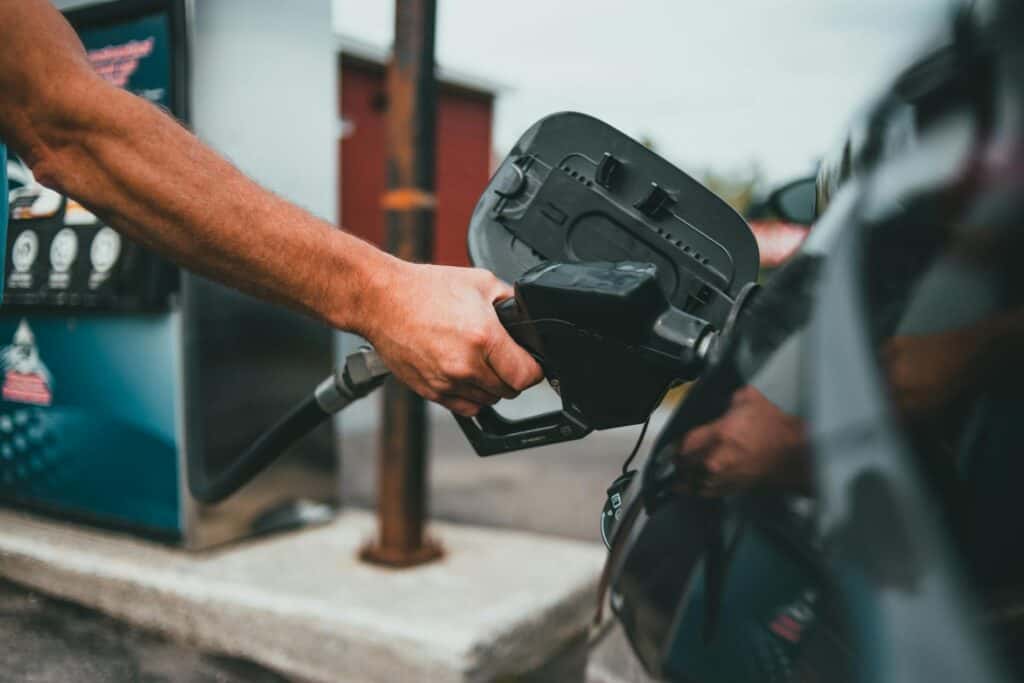
Person Putting Gasoline in a Vehicle by Erik Mclean is licensed with Pexels License
Mazda cars are well known for their fuel efficiency — which is good news for your wallet and our planet. Thanks to some clever engineering called SKYACTIV technology, these cars stretch each gallon further than you might expect. At Hiley Mazda of Fort Worth, we’ll help you understand what makes your Mazda so efficient and give you some tricks to boost your vehicle’s fuel economy.
Understanding Mazda’s Engineering
Mazda’s engineering centers around its SKYACTIV technology, which aims to improve Mazda vehicles in aspects such as handling, performance, and fuel efficiency. Some of its components include the SKYACTIV-G engine with a 14:1 compression ratio and SKYACTIV-VEHICLE DYNAMICS, which coordinates the engine, chassis, and body.
Mazda engineering also includes the SKYACTIV-BODY, which uses a mix of high-strength steel with aluminum to weigh 8% less than previous versions yet stand 30% stronger. The SKYACTIV-CHASSIS brings a new suspension, electric steering, and a 14% reduction in its weight.
SKYACTIV’s Impact on Engine Performance and Weight
The SKYACTIV-G engine’s compression ratio allows your Mazda to extract more energy from each gas droplet and deliver 15% better torque than ordinary engines. Think of it as squeezing an orange — Mazda gets more juice than most. The engine also burns fuel more completely, giving you peppy acceleration. When you tap the gas pedal, that quick response partly comes from the high compression ratio. Mazda also has a 4-2-1 exhaust system, which removes waste gases quickly so the engine can work at optimal efficiency.
With SKYACTIV technology reducing the weight of vehicle components, your Mazda starts faster and needs fewer gas station visits because your engine isn’t straining to move extra weight.
Aerodynamics and Its Role in Efficiency
Aerodynamics plays a key role in fuel efficiency because air pushes back against your car as you drive, creating invisible but costly resistance. Mazda has shaped its vehicles with flowing curvy lines and specially designed front grilles that let your car glide through the air. As your vehicle fights less against the air, you get better miles per gallon.
The SKYACTIV-VEHICLE DYNAMICS system also plays a role in improving aerodynamics. It coordinates the body, chassis, engine, and transmission, leading to better traction, smoother driving, and less air resistance. Improvements in these areas all lead to better fuel economy. The SKYACTIV-VEHICLE DYNAMICS system also impacts fuel economy through its ability to adjust torque and braking based on real-time driving conditions.
Adopting Fuel-Saving Driving Habits
A key fuel-saving habit you can adopt is to pay attention to your right foot — how it steps on the gas and the brake pedal affects gas bills more than any feature. Ideally, you want to be easy on the gas and smooth on the brakes. For example, fast starts at a traffic light burn 40% more fuel.
Your driving speed matters as well. For highways such as the I-35W, aim to drive at 55-65 mph. Use cruise control whenever possible; it maintains speed better than we do. When cars ahead of you slow down, first ease off the gas instead of immediately hitting the brakes.
Another strategy to save fuel is to combine errands and skip rush hour when you can. One trip beats multiple short ones, and University Drive’s stop-start traffic will affect your fuel efficiency.
Air conditioning (AC) is important in the Texas heat, but you should use it wisely, as it makes the engine work harder, which then results in an increase in fuel consumption. Keep an eye on the temperature, as moderate cooling uses less fuel than setting the AC to max cold. If you’re driving at a lower speed, try opening your windows instead of turning on the AC. On highways, you’ll want to flip the strategy, as having your windows down creates drag, so using the AC saves fuel in this case.
Vehicle Maintenance for Improved Fuel Economy
Regular maintenance of your Mazda can improve its fuel economy. Tire pressure plays a key role, with a drop of only one psi cutting fuel economy by 0.2%, whereas proper inflation boosts mileage by 0.6%-3%. Texas weather — 40 degrees one day, 80 degrees the next — plays havoc with tire pressure. Check your tire pressure monthly and before longer trips such as to Austin or Houston.
Fresh oil lets engine parts glide. Clean synthetic oil raises fuel efficiency up to 2%. Oil changes seem costly, but they can increase the life of your car. A dirty air filter can also affect gas consumption, so be sure to change it regularly. Worn spark plugs waste fuel through poor combustion and also require regular replacement.
Practical Fuel Efficiency Tips for Everyday Driving
Each 100 pounds in your vehicle costs about 1% in fuel economy, so don’t use your trunk for long-term storage. If you have a golf bag or donation boxes sitting in your trunk, they’re eating up gas money, whereas five minutes of cleanup can save you at the pump.
If you’re waiting somewhere for over a minute, stop idling and turn your engine off. Modern starters can take it. If you’re idling in school pickup lanes or drive-throughs, you’re burning money going nowhere.
Use your dash’s fuel economy display as a coach. Many Mazdas show growing tree graphics during efficient driving. You can gain miles per gallon just by watching the graphics and making adjustments. Also, use only the gas grade in your manual. Premium fuel in an engine designed for regular gas doesn’t typically change the fuel efficiency enough to cover the extra cost of the premium gas.
Embracing Technology and Tools
Mazda’s tech isn’t just for tunes — it saves gas too. Real-time miles-per-gallon displays teach better driving as you watch the numbers. Newer models link to apps that track efficiency and find cheaper gas around Fort Worth. Navigational systems can route you around gas-wasting traffic, and adaptive cruise control holds steadier speeds than humans can, cutting the inefficient ups and downs you create.
For max savings, check out Mazda’s hybrids. The 2025 CX-90 PHEV hits 56 MPGe with a 490-mile range. The 2025 CX-70 Plug-in matches that, plus adds 26 electric-only miles. The 2025 CX-50 Hybrid gives 38 mpg combined.
Maximize Your Mazda’s Efficiency: The Road to Better Fuel Economy
Getting every possible mile from your Mazda means working with what makes it special. The SKYACTIV tech, wind-cheating body shapes, and lightweight design give you an edge. Add smooth driving habits, basic maintenance, and smart use of built-in efficiency tools, and your gas station visits will stretch further apart.
For personalized advice on getting more miles from your Mazda, visit Hiley Mazda of Fort Worth. Our team enjoys helping Fort Worth drivers find their vehicle’s efficiency sweet spot. We’ll get you better miles per gallon without sacrificing the jaunty feeling that made you pick Mazda in the first place.
0 comment(s) so far on How To Optimize Your Mazda’s Fuel Efficiency